
The act of enforced disappearance represents one of the gravest human rights violations recognised under international law. On 21 December 2010, through Resolution 65/209, the United Nations (“UN”) General Assembly expressed deep concern over the increasing number of enforced disappearances worldwide. This violation is defined as any act of arrest, detention, or abduction that is followed by refusal to acknowledge the person’s fate or a concealment of their whereabouts. For this reason, the UN established the International Day of the Victims of Enforced Disappearance, commemorated annually on August 30th, as an official occasion to confront and raise global awareness of this human rights violation. The very institutions charged with safeguarding citizens become the perpetrator of their persecution. It is in response to this profound injustice that the international day was created. This day serves not as a celebration, but as a moment of remembrance and solidarity, honouring those who have been forcibly taken from their families, often by state authorities or with state approval, and whose fate remains deliberately concealed.
Tag Archives: PILS Associates
PILS Associates
Legal Commitments, Political Failures: Rethinking the Enforcement of Anti-Trafficking Laws
Dec
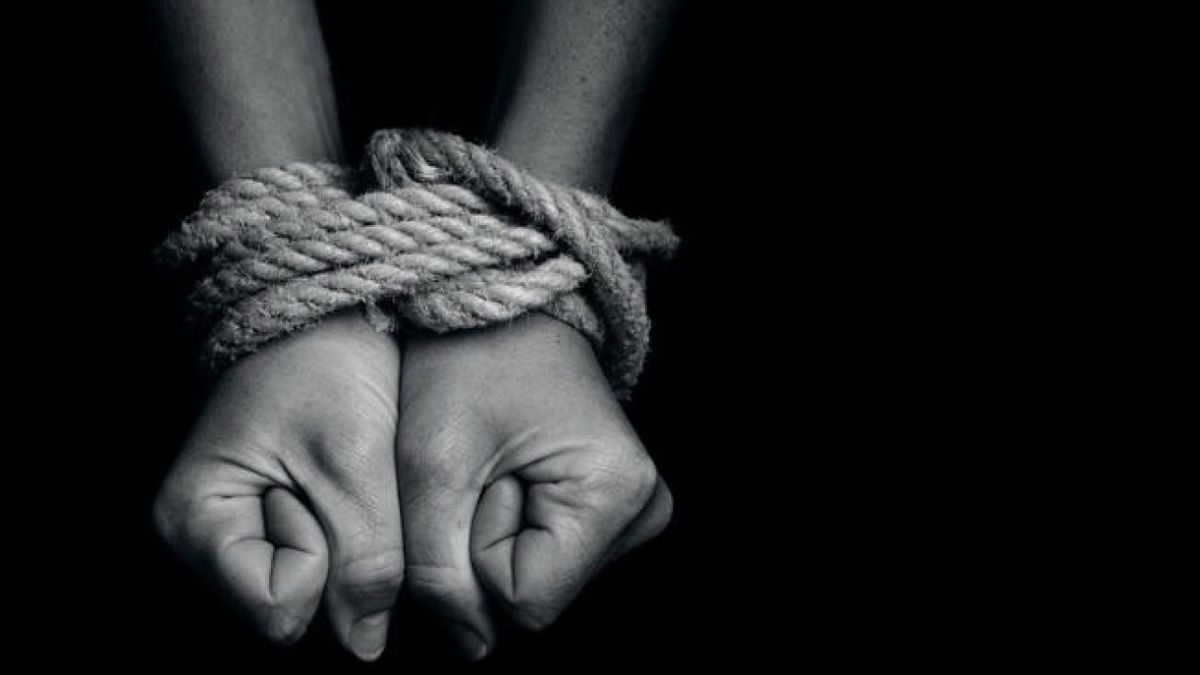
By compelling or coercing a person to provide labor or services, or to even engage in commercial sex acts, human trafficking is thereby viewed as a violation of human rights. Every year, countless children, men, and women worldwide fall victim to the crime of human trafficking. Vulnerable individuals – particularly children, migrants, and those living in poverty – are often prey to traffickers as these groups typically lack sufficient legal protection and access to support systems, hence making them easier to exploit. Forced labour, sex slavery and organ trafficking. On that score, traffickers would isolate and limit their victims’ freedom in order to maintain control over them and to prevent their escape. Furthermore, victims are often stripped of their identification, thus cutting off all traces of the victim, which eventually makes it difficult to identify the victims of human trafficking. Human trafficking is not merely a domestic matter, as it has long been recognised as an issue to the international community, with its genesis marked by the creation of the 1904 International Agreement for the Suppression of the White Slave Traffic, a convention addressing slavery and human trafficking, while shedding light into the illegal trade of white people. Individuals from selected regions are targeted and transported by traffickers across multiple jurisdictions. Due to its nature as a cross-border or transnational crime, human trafficking thereby necessitates coordinated international responses. In this vein, addressing the crime of human trafficking requires robust cooperation between states, harmonised legal standards, effective information-sharing mechanisms and consistent legal enforcement. In order to create shared obligations for the prevention, protection and punishment of human trafficking, transnational legal instruments, such as the Palermo Protocol, are vital. Nevertheless, it would be easier said than done, as effectively putting these ideas into practice remains a significant challenge for numerous states across the world.
Dec
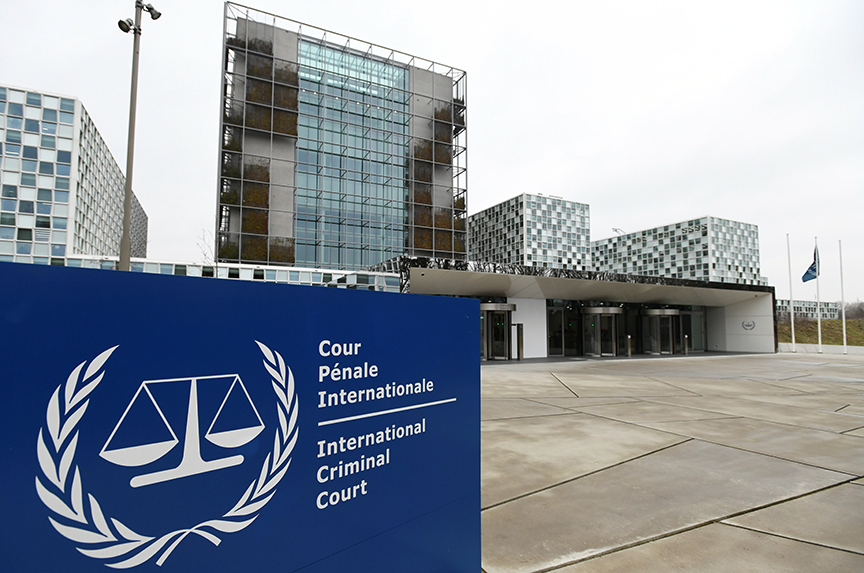
The International Criminal Court (“ICC”) is a beacon of justice in a world that is becoming increasingly plagued by international conflicts. The ICC as an independent international organization is established under the Rome Statute, exercising the mandate to prosecute and hold accountable perpetrators of the most serious crimes to the international community, even amid the escalation of armed conflicts and humanitarian crises worldwide. On the other hand, the complexity of its own laws makes it harder for it to hold people accountable. Resultantly, the international community continues to grapple complex legal challenges, including those arising from significant constraints rooted in the ICC’s legal foundation. Notably, Article 87, 89, and 98 of the Rome Statute make it very hard for the ICC to arrest suspects and bring them to trial. This raises concerns about the Court’s capacity to deliver justice and prevent impunity.
To address international crimes, the ICC is authorised to issue arrest warrants for individuals suspected of committing crimes listed in Article 5 of the Rome Statute. These warrants are the primary instrument through which the Court exercises its judicial authority. Once a warrant is issued, they initiate further steps such as investigations and prosecutions, with general principles of criminal law applied throughout the trial process. A key example of the ICC’s use of arrest warrants occurred in March 2023, when it issued for Vladimirovich Putin and Maria Alekseyevna Lvova-Belova, over war crimes related to the illegal deportation of Ukrainian children. Similarly, In November 2024 Israeli Prime Minister Benjamin Netanyahu and former Defense Minister Yoav Gallant faced allegations of war crimes and crimes against humanity for employing starvation as a method of warfare by restricting humanitarian aid to Gaza. These cases highlight the ICC’s efforts to transform legal authority into tangible accountability. Therefore, this article examines how Article 87, 89, and 98 of the Rome Statute create enforcement challenges that hinder the Court’s ability to fulfill its mandate and the urgent need for reform to strengthen the ICC’s ability to carry out its mandate.
PILS Associates
Cosmos and Climate: the Exploration and Assessment of International Law’s Role within World Space Week 2024

Oct
October – a month popular for spooky celebrations of pagan and secular traditions. What is lesser known to people is that the month is equally dedicated to celebrate the realm that stretches beyond earth’s atmosphere; an annual observance of the yonder that lies outside the Kármán Line. In particular, space exploration is commemorated during World Space Week, in which the achievements and benefits it brings to humanity is recognised throughout the 4th – 10th of every October.
PILS Associates
Beyond the Horizon: Navigating Safety and Sustainable Shipping through World Maritime Day
Oct
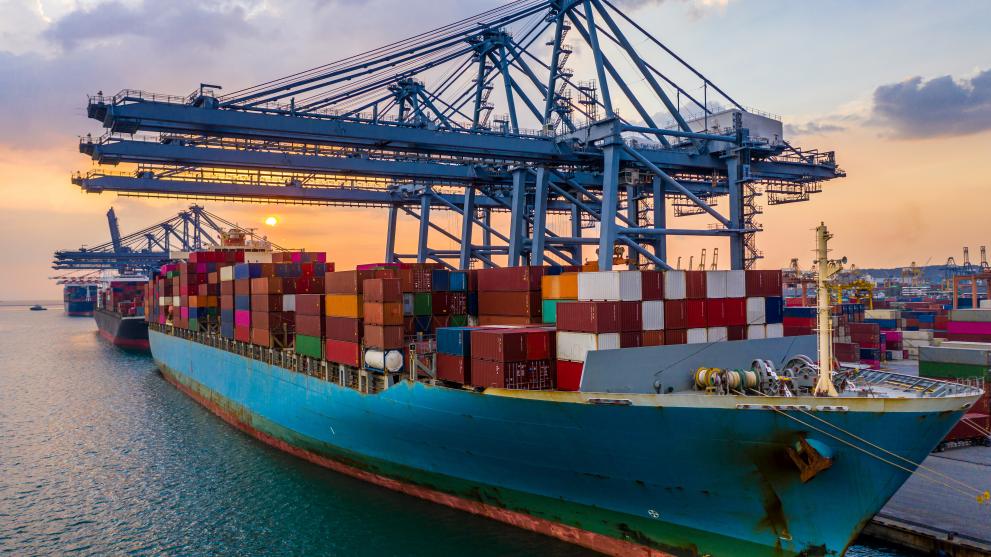
There is no day more well-suited to highlight the important role of the maritime industry than World Maritime Day on the 26th of September. The first celebration was in 1978 to commemorate the 20th anniversary of the International Maritime Organization (IMO) Convention’s entry into force in 1958. This day marks the maritime industry’s contribution to the global trade economy. Today, its celebration has grown to become a key platform for discussions regarding maritime issues. This year alone, the IMO has designated the theme of “Navigating the future: safety first!”, following its tradition of themes revolving around maritime safety. Such is a fitting theme to emphasise the IMO’s commitment in enhancing safety and security in maritime operations. Furthermore, this theme underscores the importance of protecting the marine environment by developing regulations that can anticipate future advancements in technology and innovation. The goal is to balance safety, technological innovation, and environmental concerns while maintaining the efficiency of international maritime trade.
PILS Associates
Positive Discrimination, A Path to Achieve Equal Gender Pay in Commemoration of the International Equal Pay Day

Oct
Equality in wages has been a long-standing goal in accordance with the fulfilment of social and economic human rights enshrined under Article 7(a)(i) of the International Covenant on Economic Social and Cultural Rights (ICESCR). In achieving this goal and raising awareness of existing inequality in wages, the United Nations marked the 18th of September as the International Equal Pay Day. The day also stands as a symbol of commitment from the United Nations in upholding human rights and fighting against gender pay inequality and all forms of discrimination against women and children. Various strategies have been implemented by states in regulating the issue of ‘wage gap’, with one of the strategies constituting the enforcement of positive discrimination policies that treat a specific group favourably based on certain criteria. This article examines the practice of positive discrimination and highlights how its utilisation is beneficial in achieving universal gender pay equality.
PILS Associates
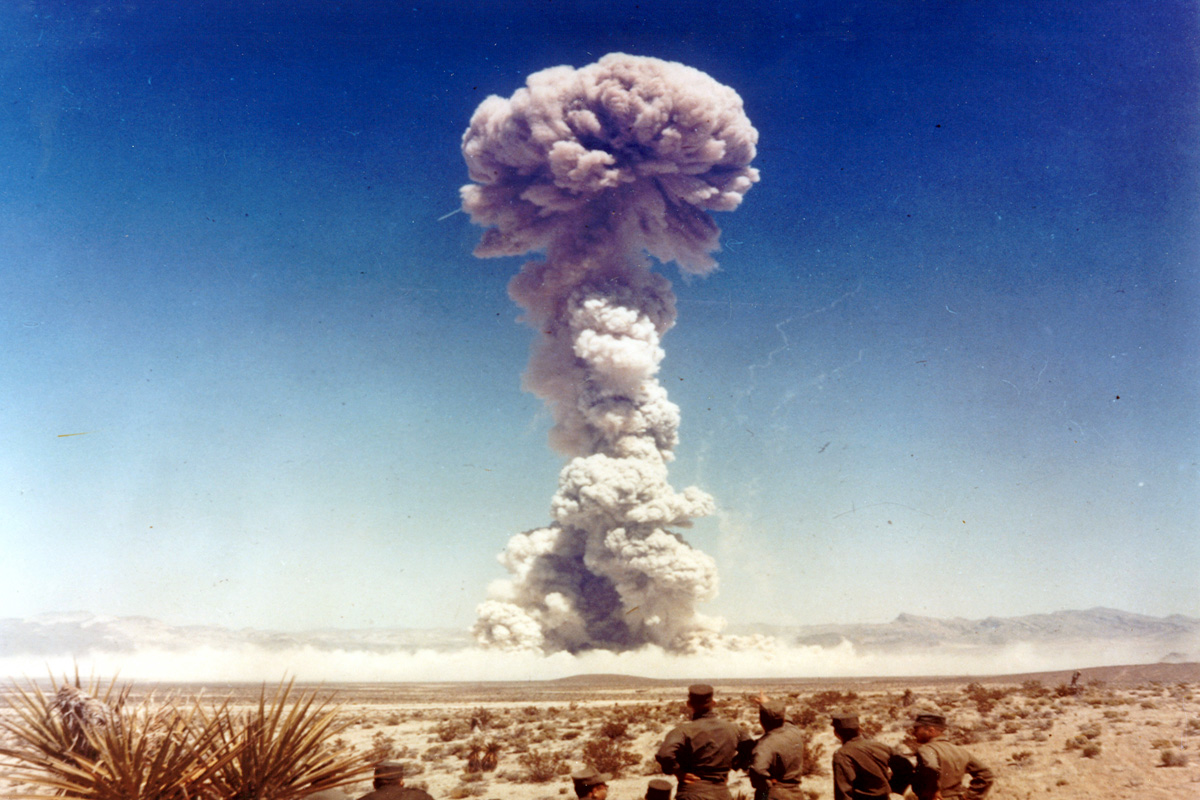
Legality of Nuclear Testing in Commemoration of the International Day Against Nuclear Tests
Oct
In 2009, the General Assembly of the United Nations unanimously adopted Resolution 64/35. It declares the 29th of August as the International Day against Nuclear Tests, especially since this particular date signifies the closure of the Semipalatinsk Test Site of Kazakhstan in 1991. The former Soviet Union nuclear testing ground is a testament to the enduring human and environmental costs of these tests. Consequently, the resolution encourages mankind to commemorate this day as a reminder of the destructive power these nuclear weapons possess and to underline the purpose of creating a world free of nuclear testing. This international day does not only raise global awareness on the severe consequences of nuclear tests; its commemoration equally highlights the significance of the Comprehensive Nuclear Test-Ban Treaty. In addition to the environmental implications associated with such tests, this article deduces that nuclear testing is a violation of international law.
PILS Associates
International Day of Biological Diversity: The Access and Benefit Sharing Regime and its Challenges
Oct
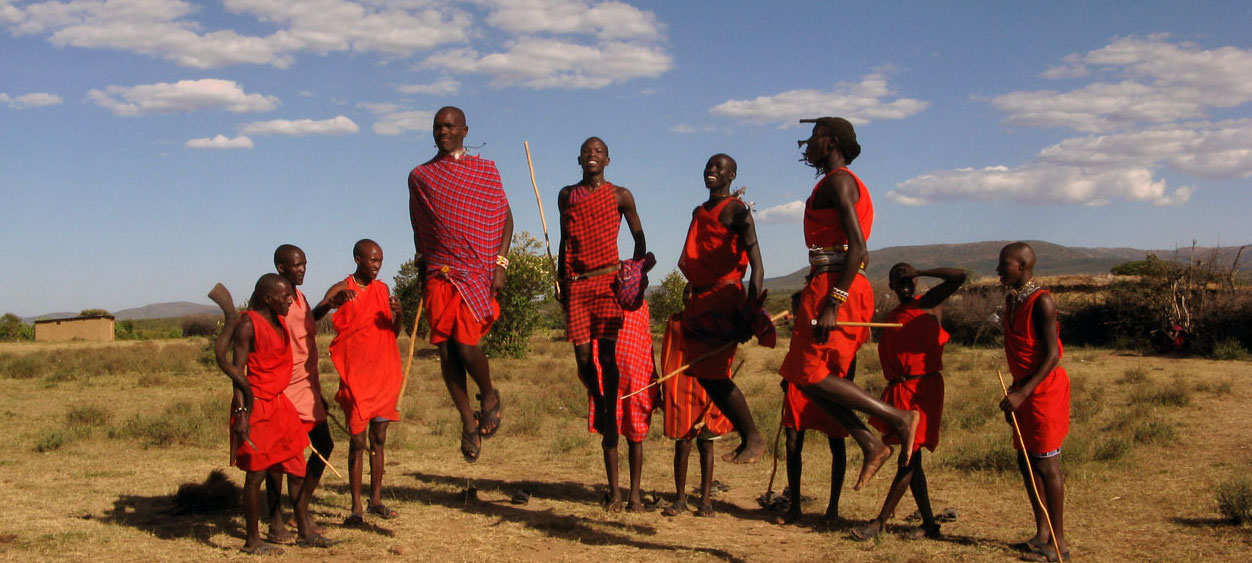
The International Day of Biological Diversity was initially held on December 29th, 1993, in Rio de Janeiro, Brazil. Ever since then, Biodiversity Day is annually commemorated on May 22nd. This date was subsequently chosen since it coincided with the adoption of the final Convention on Biological Diversity (CBD). One of the main purposes of commemorating this day is to increase awareness and to educate the public on the importance of biodiversity—the variety of life on Earth—as it plays a crucial role in the sustainability of ecosystems. Many are unaware of the direct threats facing biodiversity. On that account, a day that is designated to commemorate the realms of biodiversity equally serves to educate the public and lawmakers on the importance of safeguarding it.
PILS Associates
International Day of Remembrance of the Victims of Slavery and the Transatlantic Slave Trade

Oct
Slavery and slave trade are two of the most brutal violations of human rights in the history of mankind. To honor and remember the victims of slavery, the United Nations General Assembly Resolution 62/122 has designated the 25th of March as the annual International Day of Remembrance of the Victims of Slavery and the Transatlantic Slave Trade. This is a day to reflect on the slavery tragedies including the translantic slave trade, examining its causes, the long-lasting consequences it left behind, and the crucial lessons. We must learn to combat the evils of racism and prejudice that continue to happen as a result of the slavery events that have occurred.
PILS Associates
International Day for the Prevention of Violent Extremism as and when Conducive to Terrorism

Sep
Genocide is the deliberate killing of a number of people with the aim of destroying their entire nation or group. Acts of genocide are laid out in Article 2 of the 1948 Convention on the Prevention and Punishment of the Crime of Genocide (Genocide Convention) which includes killing, causing bodily or mental harm, inflicting conditions on a group’s physical destruction, preventing births within a group, and forceful transfer of children to another group. It is, as we know, the worst kind of crime against humanity there is. It is a duty owed to every State to prevent and avoid the act of genocide, known as an erga omnes obligation. However, such a tragic and one of the worst genocide committed in the European continent happened in 1995, that is the Massacre in Srebrenica, Bosnia. The occurrence transpired due to the invasive maneuvers of Serbian forces to eradicate Bosnian Muslims. Until now, the visible and emotional aftermath of the battlefield remains evident upon the loss of tens of thousands of Bosnian Muslims. During that time, the international community was urged to address this matter within an international tribunal – striving for a positive resolution and bestowing justice among its victims.
- 1
- 2